How to Play Sudoku
What is Sudoku?
Sudoku is a logic-based puzzle played on a 9×9 grid. The goal is to fill the grid so that every row, every column, and each 3×3 box contains all unique elements without repetition.
Basic Rules
- Each row must contain 9 unique symbols.
- Each column must contain 9 unique symbols.
- Each 3×3 box must contain 9 unique symbols.
- No symbol can repeat within the same row, column, or box.
How Kanji Sudoku Works
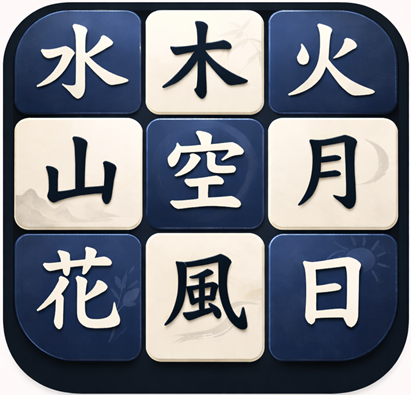
In Kanji Sudoku, numbers are replaced with Japanese symbols. Each symbol represents a number from 1 to 9, but instead of recognizing digits, players must identify patterns using symbols.
This adds an extra layer of challenge, requiring visual memory and pattern recognition instead of simple number tracking.
Tips for Beginners
- Start with rows or columns that are almost complete.
- Look for symbols that already appear frequently.
- Use elimination to find where a symbol cannot go.
- Focus on one 3×3 box at a time.
Advanced Strategy
As you gain experience, you will start recognizing patterns faster. Advanced players often scan the grid quickly to identify missing symbols without checking each cell individually.
With Kanji Sudoku, your brain adapts to recognizing shapes instead of numbers, which improves cognitive flexibility and memory retention.